With the number of deadly dangerous little creatures slithering, hopping, and swimming on this Earth, it's amazing that mankind has managed to survive.
Here are 20 creatures guaranteed to make you very, very sick at the least, or to kill you, should you happen to meet them.
Let's be careful out there!
 Diamondback RattlesnakeCrotalus atrox
The Western Diamondback, which can exceed seven feet in length, is the king of twenty odd species and sub-species of Southwestern desert rattlers, not only in terms of size, but also in terms of its fearsome reputation.
This viper comes equipped with a spade-shaped head, a fiendish fang and venom system, elliptical pupils and heat-sensing facial pits. It has reserve fangs to replace any which break off in a victim. The venom causes extensive tissue damage, bleeding and swelling in humans.
The diamondback will coil, rattle fearsomely, and stand its ground when threatened. It bites hundreds of people a year, more than any other venomous snake in the United States. It is likely responsible for the majority of snakebite fatalities in northern Mexico and in the USA.
As many as 50% of bites by rattlesnakes are 'dry bites' where no venom is injected. Many folk remedies for snakebite came about because no venom was injected to begin with.
Symptoms include, but are not limited to pain, severe swelling, bruising, blistering, headache, nausea, vomiting, abdominal pain, diarrhea, dizziness, collapse or convulsions, Yellow vision; paraesthesia/numbness of digits, metallic taste in mouth, fasciculations, and/or death. (
Photos for those with strong stomachs.)
 Black MambaDendroaspis polylepis
Black mambas are fast, nervous, lethally venomous, and when threatened, highly aggressive. They have been blamed for numerous human deaths and are widely considered the world’s deadliest snake. They are also among the fastest snakes in the world, slithering at speeds of up to 12.5 miles per hour.
When cornered, these snakes will raise their heads, sometimes with a third of their body off the ground, spread their cobra-like neck-flap, open their black mouths and hiss. If an attacker persists, the mamba will strike not once, but repeatedly, injecting large amounts of potent neuro- and cardiotoxin with each strike.
Before the advent of black mamba antivenin, a bite from this fearsome serpent was 100 percent fatal, usually within about 20 minutes. Unfortunately, antivenin is still not widely available in the rural parts of the mamba’s range, and mamba-related deaths remain frequent.
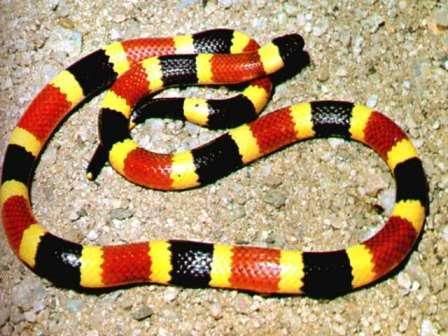
 Coral Snake
The order of the bands distinguishes between the non-venomous mimics and the venomous coral snakes: "Red and yellow, kill a fellow; red and black, venom lack."
Coral snakes are highly venomous, they are a relative of the cobra. Their venom is a powerful neurotoxin which paralyzes the nerves.
No deaths related to coral snake bites have been reported in the United States since coral snake antivenin became available. Before that time, the estimated case fatality rate was 10%.
According to a recently published report,
no more antivenin is being produced. Wyeth Laboratories, the only manufacturer, phased out production several years ago.
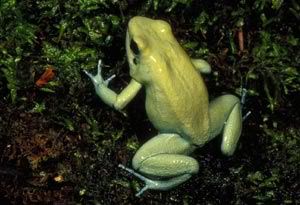
 Golden Poison FrogPhyllobates terribilis
The golden poison frog is so toxic that even touching it can be dangerous. A single frog contains enough poison to kill 20,000 mice or 10 people. It is probably the most poisonous animal on earth.
Indians from Colombia use the poison secreted from the skin of poison dart frogs to treat their blowgun darts. The darts are heated and wiped over the backs of the frogs. Once a dart is poisoned, it remains lethal for up to two years. These darts can be used by the Indians as an easy way to catch small prey.
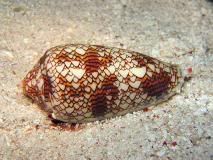
 Cone snailConus textile
Cone snails are one of the most venomous creatures on earth.
The geographic cone is the most venomous of the 500 known cone snail species, and several human deaths have been attributed to them. Their venom, a complex concoction of hundreds of different toxins, is delivered via a harpoonlike tooth propelled from an extendable proboscis. There is no antivenin for a cone snail sting.
The geographic cone is nicknamed the "cigarette snail," a humorous exaggeration meaning a person stung by one would have enough time to smoke a cigarette before dying.
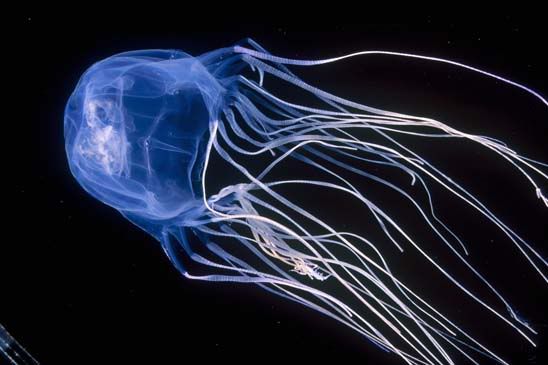
 Box jellyfishChironex fleckeri
These invertebrates are among most poisonous creatures in the sea. Stings from these species are excruciatingly painful, either initially or as an after-effect, and are often fatal - 5,567 deaths have been recorded since 1954.
The most dangerous jellyfish can carry more than half a million venom triggers per square inch. The venom contains toxins that attack the heart, nervous system, and skin cells. It is so overpoweringly painful, human victims have been known to go into shock and drown or die of heart failure before even reaching shore. Survivors can experience considerable pain for weeks and often have significant scarring where the tentacles made contact.
 Blue-ringed octopusHapalochlaena
This brilliant creature is exceptionally dangerous. Just one bite and you won’t be able to move a muscle. In fact you won’t be able to breathe, or scream! A lot of people who get bitten by these creatures don’t even know it, until the deathly symptoms start to come on. Time till death – less than ten minutes.
This little octopus is about the size of a golf ball and weighs only 10 ounces, but one blue-ringed octopus this size has enough venom to kill 10 men. The venom contains maculotoxin which is more violent than that of any animal found on land. This poison is 10,000 times more potent that cyanide.
 Yellow fat-tailed scorpionAndroctonus australis
These creatures are responsible for the highest number of scorpion-caused human deaths. The sting is hugely painful. After being stung, severe sickness follows, movement becomes hard and breathing becomes very difficult. Chances of survival after this scorpion's bite are slim. Their sting can kill in 2 hours, and faster, if you're allergic to it.
No antivenin is available, but with immediate hospital care, some people have recovered.
 StonefishSynanceia verrucosa
The Reef Stonefish is the most venomous fish in the world. It has thirteen stout spines in the dorsal fin which can inject a highly toxic venom. Each spine on a stonefish is said to carry enough venom to kill 1,000 mice. The sting causes excruciating pain and a great deal of swelling rapidly develops causing the affected tissue to die. The symptoms of the venom are muscle weakness, temporary paralysis and shock - which may result in death if left untreated. The pain is excruciating and can last for months with tremendous swelling and death of tissues. Amputation might be required. If not treated, stonefish stings can often be deadly.
Capable of surviving for up to 12 hours on land, the stonefish has even killed people out walking on the beach yards away from the sea. Time until death – 6 hours or less.
 South American silk moth caterpillarsLonomia obliqua
Lonomia caterpillars have bristles associated with venom glands, called urticating hairs. They produce a chemical anticoagulant of such potency that it can kill a human, causing them to hemorrhage to death. By simply touching this caterpillar's hairs, a person will begin to bleed uncontrollably for 12 to 24 hours and eventually die if not treated.
In southern Brazil the death rate from caterpillar contact is three to six times higher than that observed for snake bites.
 Carpet viperEchis carinatus
The saw-scaled or carpet viper is generally considered to be the most dangerous snake in the world. Ranging from West Africa through the Middle East to India and Sri Lanka, it probably kills more people in the world than any other species. In Asia alone, it is reported to kill 800 people annually. Its venom is more toxic than any other viper, it is small and easy to overlook and, above all, it becomes extremely aggressive when frightened or disturbed.
The venom of the carpet viper prevents blood from clotting. The poison takes hold and the flesh swells up dramatically. After a few hours any cut on the body will not close. Blood begins to ooze uncontrollably from the bite, then from the nose, from the gums, from the eyes and finally from the very pores in the skin. If treatment comes too late, the swollen flesh can start to die and the patient’s leg or arm literally starts to rot. This putrefying necrosis can cause death by infection.
 Cottonmouth
,
Water MoccasinAgkistrodon piscivorusThere is only one North American poisonous water snake - the Cottonmouth Water Moccasin. They are territorial animals which defend and guard a specific area, thus appearing to be more aggressive than most snakes. Unlike most snakes, when startled the cottonmouth often will stand its ground and open its mouth ("gape" or "smile") to warn predators to stay away.
The venom of the cottonmouth is hemotoxic, causing swelling and necrosis near the site of the wound, and potentially death of the victim if treatment is not received promptly. Like many vipers, the cottonmouth is capable of inflicting what is referred to as a "dry bite", where no venom is injected. However, the bite is extremely painful, prone to gangrene, and loss of digits is possible.
 Inland TaipanOxyuranus microlepidotus
The Carpet Viper may cause the most deaths, but the Inland Taipan is the most venomous land snake in the world. A single bite from the Inland Taipan contains enough venom to kill as many as 100 human adults. Its venom is 50 times more toxic than that of the Indian Cobra and 650 - 850 times more toxic than that of a Western- or Eastern Diamondback.
Although highly venomous it is a relatively timid snake provided that it is left alone. All known bites have been treated using antivenin.
 Brazilian Wandering SpiderPhoneutria nigriventer
Brazilian wandering spiders are one of the world's most dangerous arachnids. At best, their venom can seriously sting; at worst, it can kill. They are not only extremely venomous but also very fast and aggressive, and won't hesitate to bite. The Guinness Book of World Records considers the Brazilian wandering spider to be the world’s deadliest spider.
In addition to causing intense pain, the venom of the spider can also cause priapism - uncomfortable erections that can last for many hours and that can lead to impotence. (
BBC)
 Funnel web spiderAtrax robustus
Bites are dangerous and can cause serious illness or death, one bite from this creature could kill you in just fifteen minutes. The male Sydney Funnel-web Spider is more dangerous than the female. This is because the toxic venom component that attacks the human and primate nervous system so severely is only present in male spiders. Initial symptoms after a bite include local pain, mouth numbness, vomiting, abdominal pain, sweating and salivation.
Antivenin is available and no deaths have occurred since its introduction.
 Brown Recluse spiderLoxosceles reclusa
As indicated by its name, this spider is not aggressive and usually bites only when pressed against the skin, such as when tangled up within clothes, towels, or in bedding. But brown recluse venom is extremely poisonous, even more potent than that of a rattlesnake, and its bites can cause serious skin lesions. Yet recluse venom causes less disease than a rattlesnake bite because of the small quantities injected into its victims. The venom of the brown recluse is toxic to cells and tissues.
This spider's venom is a collection of enzymes. One of the specific enzymes, once released into the victim's skin, causes destruction of local cell membranes, which disrupts the integrity of tissues leading to local breakdown of skin, fat, and blood vessels. This process leads to eventual tissue death called necrosis in areas immediately surrounding the bite site.
 Black widow spiderLatrodectus mactans
This spider's bite is much feared because its venom is reported to be 15 times stronger than a rattlesnake's.
In humans, bites produce muscle aches, nausea, and a paralysis of the diaphragm that can make breathing difficult; however, contrary to popular belief, most people who are bitten suffer no serious damage—let alone death. But bites can be fatal—usually to small children, the elderly, or the infirm.
 Africanized Honey Bees
hybrids of the African honey bee,
Apis mellifera scutellataKiller bees are descendants of southern African bees imported in 1956 by Brazilian scientists attempting to breed a honey bee better adapted to the South American tropics.
When some of these bees escaped quarantine in 1957, they began breeding with local Brazilian honey bees, quickly multiplying and extended their range. They acquired the name killer bees because they will viciously attack people and animals who unwittingly stray into their territory, often resulting in serious injury or death. An animal or person will be stung dozens to hundreds of times. The angry hive of bees may pursue people and animals for greater distances than regular bees. Even non-allergic people who receive multiple stings can develop life-threatening complications.
(On July 15, 1993, 82-year-old Lino Lopez became the first person to die in the U.S. from Africanized honey bee stings. He was stung more than 40 times while trying to remove a colony from a wall in an abandoned building on his ranch near Harlingen, Texas.)
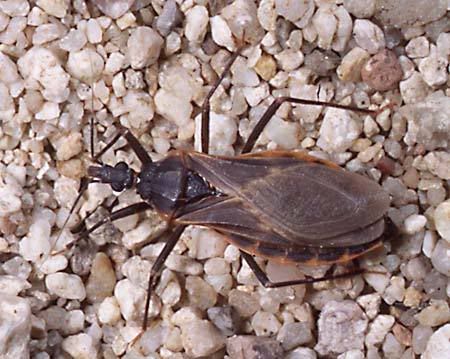
 Kissing bugtriatomines rubida
Kissing bugs received their name because they usually bite people near their mouth during the night while they sleep. They are blood-suckers, attracted to the light in our houses, the odors that we exhale, skin odors, and to the warmth of our bodies.
People have moderate to severe allergic reactions to the kissing bug bite. Severe reactions include swelling of the tongue and throat; swollen lymph nodes; small blood-filled blisters; anaphylactic reactions that cause breathing problems, a drop in blood pressure, and shock that can be lethal.
An associated health problem is Chagas Disease. This is caused by a potentially deadly parasite (
Trypanosoma cruzi) that lives in the digestive system of the kissing bug and is excreted during defecation or urination of the kissing bug after feeding. If this parasite enters your blood stream through the bite site or an open wound, you might become infected. This is a major health issue in Central and South America where over 18 million people have become infected resulting in 14,000 deaths every year.
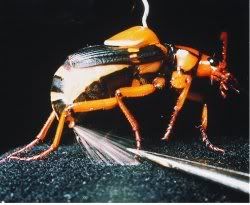
 Bombadier beetleStenaptinus insignis
The bombardier beetle is notable due to the two small glands located near the end of its abdomen. One gland produces hydrogen peroxide, one gland produces hydroquinone. The two chemicals are mixed and two enzymes, catalase and peroxidase, are added to them. These enzymes speed up the reaction to a level where the beetle can make an audible "pop" as it ejects the now-boiling chemical stream at whatever unlucky predator happened to disturb it. Added to this, the beetle can rotate the end of its abdomen 270 degrees in any direction, which allows for an impressive "firing range." The beetle can discharge upward of 20 times before depleting its glands.
The damage caused can be fatal to attacking insects and small creatures and is painful to human skin.
Photos:
blue-ringed octopus,
yellow fat-tailed scorpion,
funnel web spider,
reef stonefish,
box jellyfish,
diamondback rattlesnake,
cone snail,
black widow spider,
carpet viper,
inland taipan,
brown recluse spider,
Brazilian wandering spider,
golden poison frog,
lonomia caterpillar,
coral snake,
Africanized bees,
kissing bug,
Bombadier beetle,
black mamba,
cottonmouth NEW YORK - The Bronx Zoo closed its reptile house exhibit over the weekend after workers discovered a highly poisonous Egyptian cobra was missing from its enclosure.
 A species of pink land iguana overlooked by Charles Darwin during his visits to the Galapagos Islands may provide evidence of the ancient animals' diversification in the archipelago, scientists have reported.
 Ara Barak claims her pet snakes make the ideal masseurs as their slithering causes a massage sensation when placed on a person's skin.
 Goya, who is a milky color with shades of pink, was a gift from Dehiwala Zoo in Sri Lanka where they specially breed albino snakes.
 The indigenous New Zealand reptile - who is regarded as one of the last living descendants of the dinosaurs - has mated with Mildred, a youngster aged between 70 and 80.
 There are currently, at last count fewer than 4,000 Komodo dragons living in the wild, found living on three islands in Indonesia: Komodo, Flores and Rinca.
 A mother visiting family on Long Island says was startled when she went to check on her seventh-month-old baby in the middle of the night and found a snake coiled around the baby's leg.
 Coral Snake
 Golden Poison Frog
 Cone snail
 Box jellyfish
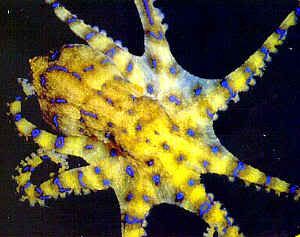 Blue-ringed octopus
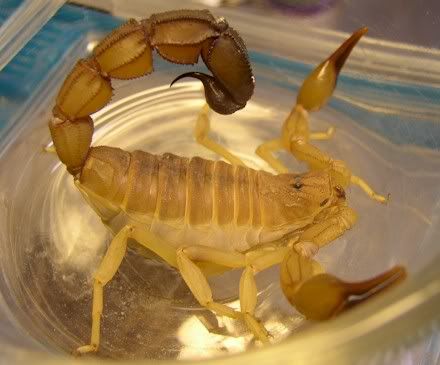 Yellow fat-tailed scorpion
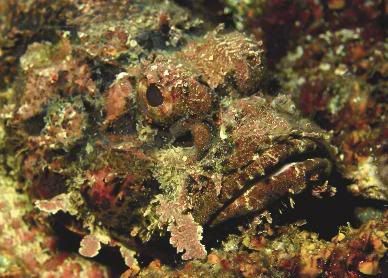 Stonefish
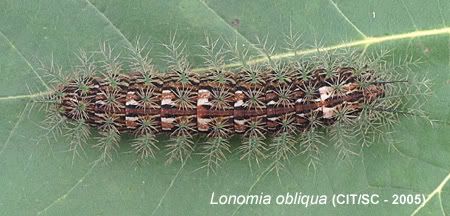 South American silk moth caterpillars
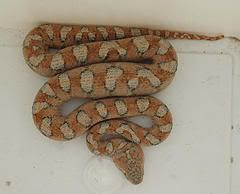 Carpet viper
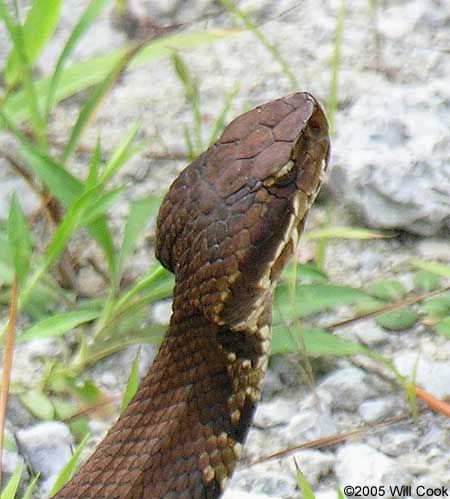 Cottonmouth, Water Moccasin
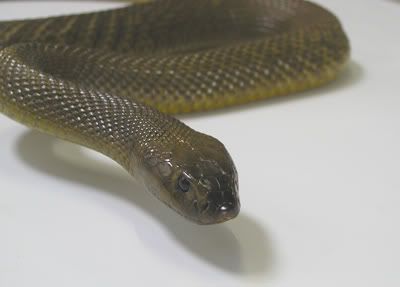 Inland Taipan
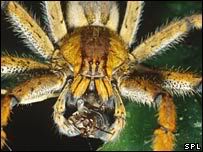 Brazilian Wandering Spider
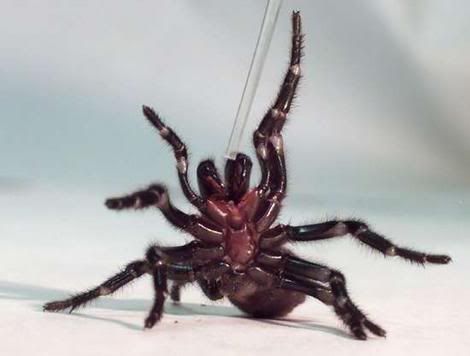 Funnel web spider
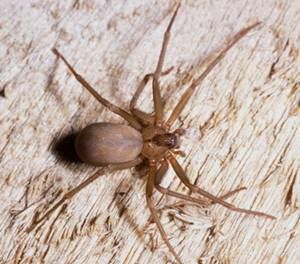 Brown Recluse spider
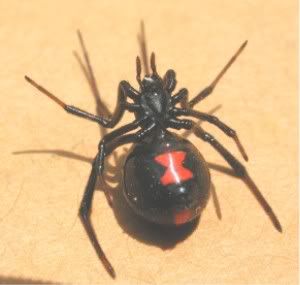 Black widow spider
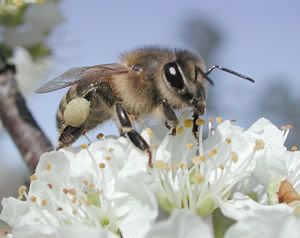 Africanized Honey Bees
 Kissing bug
 Bombadier beetle
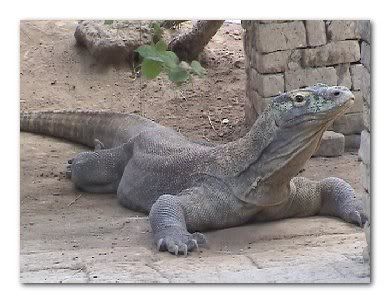 Komodo dragons may have a wimpy bite for their size, but somehow the giant lizards manage to take down prey as large as water buffalos.
 A Kernersville NC couple running a reptile business out of their home got a unique surprise when they discovered one of their new hatchlings had not one, but two heads.
 Legend tells that St Patrick rid snakes from Ireland's shores as he converted its peoples from paganism during the fifth century A.D.
 Shirley Neely, who runs the Jersey-based Tortoise Sanctuary, keeps 75 tortoises in her refrigerator. Her tortoises hibernate for up to three months between December and March, and need steady temperatures between 3c and 8c.
 * In East Manatte, a 13-foot-long, reticulated python, nicknamed the "Wal-Mart snake," was caught Monday in a culvert near Morgan Johnson Road off State Road 64.
 * In St. Augustine, there's a new addition to an alligator farm but it's not an alligator... it's another kind of reptile, a 21-foot, 9-inch python. The snake was captured by villagers on the island of Sulawesi in Indonesia.