Awwwwwww . . .
READ MORE - Video: Rescued Baby Hummingbird
Showing posts with label hummingbirds. Show all posts
Showing posts with label hummingbirds. Show all posts
Saturday, November 13, 2010

Monday, March 2, 2009
I wish I could take pictures like this
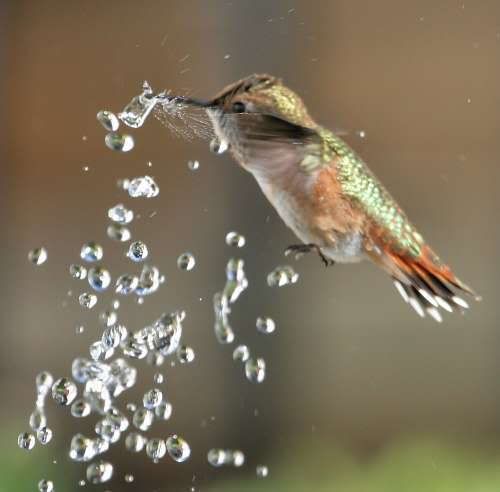 hummingbird, Rufous Female, breaking the topmost water bubble from the fountain spray with her beak. You can see the spray above and below her beak here.
Also by the same photographer:
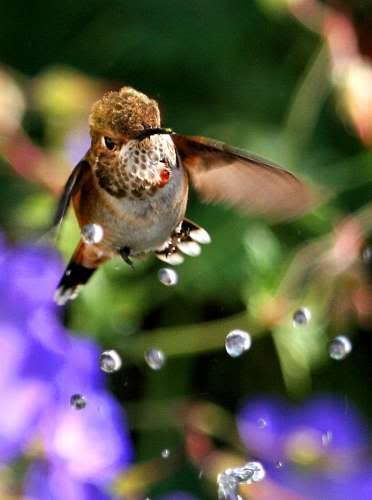 hummingbird from a different view, atop the water droplets from fountain. Reminds me of a bumble bee here :) Note the little dash of bright red iridescence on it's throat in this shot. Don't know if its an immature male or female.
Photo credit: Alandrapal
Monday, December 22, 2008
Thursday, September 4, 2008
Here's my hummingbird ...
We've had a wonderful patch of bee balm planted in our backyard that has had hummingbird visitors for many years. As much as I try, I have yet to get a good photo - they are so QUICK!
Here's my latest (poor) attempts:
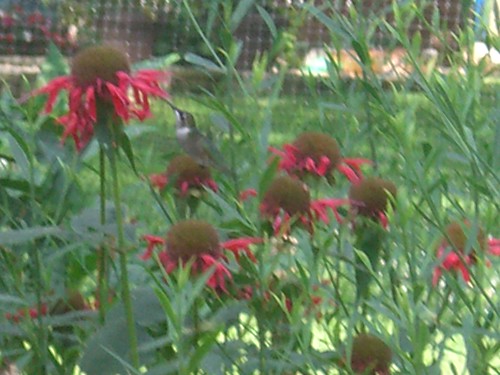
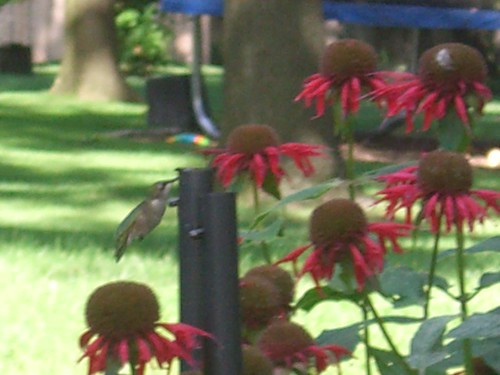 (You can click on the photos, go to Flickr, and see them larger)
These little birds are a delight. Even though we see several every day, it's still an occasion to stop what I'm doing and marvel at nature.
Hummingbird stories:
One day, I was sprinkling the flowers and a hummingbird repeatedly flew into and out of the water drops. She was taking a shower!
Hummingbirds are very territorial. When more than one arrive at the same flower bed at the same time, there's a very loud shrieking dispute until one backs off and leaves. We have seen the looser sit on a branch to wait her turn.
Just last week, we watched a hummingbird fly into a swarm of small gnats. She darted quickly from bug to bug, eating them. We've never seen that before! I thought all hummingbirds did was suck the nectar from flowers. This little bird caught so many bugs, she had to sit on the fence netting around the vegetables and rest. She sat there a good five minutes before she could fly. Talk about over eating!
READ MORE - Here's my hummingbird ...
Here's my latest (poor) attempts:
(You can click on the photos, go to Flickr, and see them larger)These little birds are a delight. Even though we see several every day, it's still an occasion to stop what I'm doing and marvel at nature.
Hummingbird stories:
One day, I was sprinkling the flowers and a hummingbird repeatedly flew into and out of the water drops. She was taking a shower!
Hummingbirds are very territorial. When more than one arrive at the same flower bed at the same time, there's a very loud shrieking dispute until one backs off and leaves. We have seen the looser sit on a branch to wait her turn.
Just last week, we watched a hummingbird fly into a swarm of small gnats. She darted quickly from bug to bug, eating them. We've never seen that before! I thought all hummingbirds did was suck the nectar from flowers. This little bird caught so many bugs, she had to sit on the fence netting around the vegetables and rest. She sat there a good five minutes before she could fly. Talk about over eating!
Late summer brings hummingbirds to Illinois
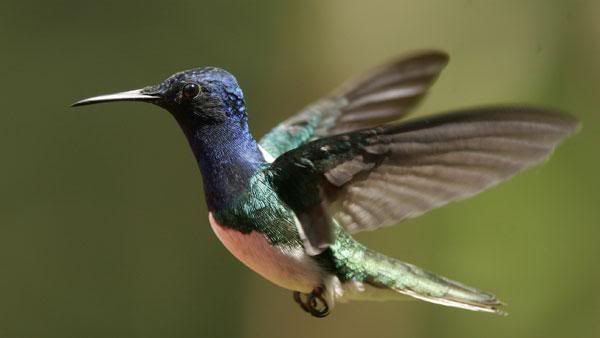 August and September provide some of the year's best opportunities for observing hummingbirds in Illinois, according to Rob Kanter, author of The University of Illinois' Environmental Almanac. That's because individuals that have been farther north during the breeding season gather here on their way south.
Despite their small size, many hummingbirds migrate over long distances. Ruby-throats heading south may travel 2000 miles to reach their winter territory in southern Mexico and Central America, including a 500-mile nonstop leg of the trip over the Gulf of Mexico.
While the ruby-throated is the most common, rarer hummingbirds -- such as the broad-billed, Rufous and Allen's -- are seen across the Midwest from late summer into fall. The Rufous hummingbird is occasionally seen at feeders.
Source: abc7chicago.com
Thursday, July 26, 2007
Hummingbird Feast
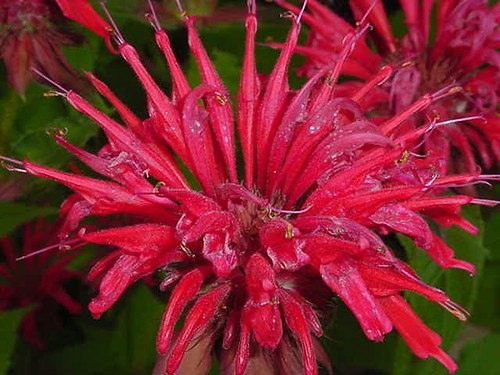
I thank my Bee Balm for attracting hummingbirds to my garden. They are such a delight to watch and such a surprise for many visitors who have never seen a hummingbird before, or even believe that we have them in the Chicago area. Then, when I tell them that these beautiful little creatures fly to Mexico for the winter, they're really amazed. Supposedly, hummingbirds will return to the same flower beds year after year. Well, ours seem to be pretty comfortable with having us around. The birds will fly within a foot of us and especially enjoy flying through the water spray when we're sprinkling the flowers.
The Bee Balm, or Monarda, are an easy to grow perennial. They grow about three feet tall, and from a distance, look like clouds of red in the garden. Close up, you notice their nice, spicy scent. Even closer, and you see massive, fat, bumblebees harvesting nectar, and of course, the hummingbirds.
In this article, Nancy Newfield describes the bee balm and twelve other plants that attract hummingbirds.
Subscribe to:
Comments (Atom)